
Sliding Door Blinds Brandon FL | Patio & Lanai Options
Choosing the Right Sliding Door Blinds for Your Brandon FL Home
If you’re searching for sliding door blinds in Brandon FL, you’re likely dealing with a familiar problem: those 6-to-8-foot sliding glass doors leading to your lanai let in brutal afternoon heat and blinding glare. The good news is that today’s window treatments go far beyond the flimsy vertical blinds that came standard with most 1990s and 2000s Florida ranch homes in neighborhoods like Riverview and Durant. Modern options include panel track systems, vertical cellular shades, and motorized solar shades—each with distinct trade-offs for light control, energy savings, and durability in our humid climate.
Made in the Shade Brandon helps homeowners across the Brandon area navigate these choices with professional in-home consultations and precise measurements tailored to your specific door configuration. This guide walks you through the main options, compares their strengths and weaknesses, and helps you decide which solution fits your lanai, your lifestyle, and your budget.
Vertical Blinds: The Familiar Default
Why Brandon Homes Still Have Them
Walk through almost any neighborhood near Brandon Town Center and you’ll spot vertical blinds on sliding doors everywhere. Builders installed them because they were inexpensive and functional. They stack to one side, allowing full door access, and the vanes tilt to adjust light.
The Downsides You Already Know
If you’ve lived with verticals for a few years, the frustrations are familiar:
- Vanes warp, crack, and yellow in Florida’s intense UV exposure
- The plastic carrier clips break, leaving vanes dangling or missing
- Wind from your HVAC or an open door sends them clattering
- They offer minimal insulation, doing little to reduce the heat load that drives up your Tampa Electric Company (TECO) bill
Vertical blinds remain the cheapest upfront option, but their short lifespan and poor energy performance mean you’ll replace them multiple times over the life of your home.
Panel Track Systems: The Popular Vertical Alternative
How They Work
Panel tracks use wide fabric panels—typically 18 to 30 inches each—that glide along a ceiling-mounted track. They stack neatly to one side or split to both sides, depending on your door’s traffic pattern. The clean, contemporary lines appeal to homeowners updating their Florida room or great room without a full renovation.
Performance in Brandon’s Climate
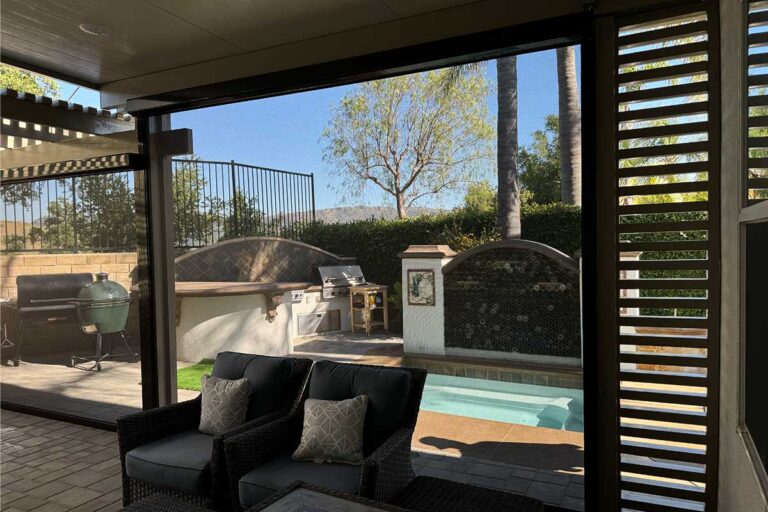
Panel tracks handle humidity well when made from quality synthetic fabrics. They don’t warp like vinyl vanes, and the larger surface area means fewer moving parts to fail. Solar-filtering fabrics can reduce glare while preserving your view of the lanai and backyard—important if you’re near Ice Sports Forum or one of Brandon’s golf communities where outdoor views matter.
The trade-off: panel tracks provide less precise light control than individual slats. You’re adjusting entire panels, not tilting individual vanes. For most homeowners prioritizing aesthetics and durability, that’s an acceptable compromise.
Best Fit
Panel tracks work especially well on wider door configurations (8 feet or more) and in rooms where you want a modern, uncluttered look. They’re a strong choice for open-concept living areas common in Durant and Riverview ranch homes.
Vertical Cellular Shades: Maximum Insulation
The Energy Argument
Vertical cellular shades—sometimes called honeycomb shades turned sideways—trap air in fabric pockets to create an insulating barrier. In a region where summer afternoon sun can push surface temperatures on west-facing glass above 140°F, that insulation translates directly to lower cooling costs. While exact savings vary with your home’s orientation and HVAC efficiency, cellular construction is widely recognized as among the most insulating window treatment options available.
Trade-Offs to Consider
- View-through: Cellular fabrics are translucent at best; you lose the clear view that solar shades preserve
- Cleaning: The honeycomb pockets can trap dust, requiring periodic vacuuming
- Cost: Cellular materials typically run higher than basic panel track fabrics
Best Fit
If your sliding door faces west or southwest and you’re battling serious heat gain, vertical cellular shades deliver the strongest thermal performance. They’re also excellent for bedrooms or media rooms where you want maximum light blockout.
Motorized Solar Shades: Convenience Meets Performance
Why Motorization Matters on Large Doors
Manually operating window treatments on a 6-foot or 8-foot slider gets old fast. Motorized solar shades let you raise, lower, and position your shades with a remote, wall switch, or smartphone app. Many homeowners integrate them with smart-home systems, programming shades to lower automatically during peak afternoon sun.
Solar Fabric Options
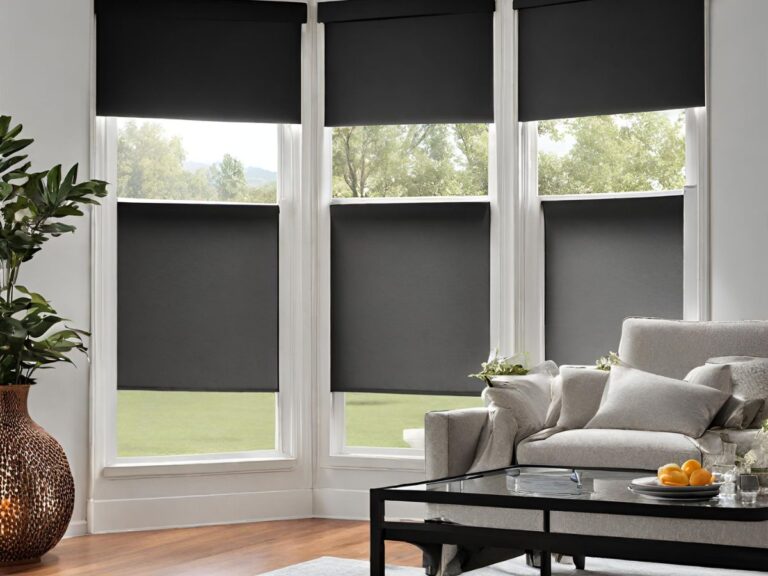
Solar shade fabrics come in openness factors ranging from about 1% (nearly opaque) to 14% (highly view-through). A 3% to 5% openness works well for most Brandon lanai doors, blocking harsh glare while letting you see the pool or patio. Darker fabric colors absorb more heat at the glass surface, while lighter colors reflect more—something to discuss during your consultation.
Trade-Offs
- Cost: Motors and smart-home integration add to the price
- Complexity: Battery-powered motors need recharging; hardwired motors require installation planning
- Privacy at night: Higher-openness solar fabrics become see-through when interior lights are on after dark
Best Fit
Motorized solar shades suit homeowners who value convenience, want to preserve their view, and are willing to invest in a premium solution. They’re especially practical for high or hard-to-reach sliders.
Comparing Your Options at a Glance
| Option | Heat Reduction | View Preservation | Durability | Relative Cost |
|---|---|---|---|---|
| Traditional Vertical Blinds | Low | Moderate | Low | Lowest |
| Panel Track Systems | Moderate | Good (fabric-dependent) | High | Mid-range |
| Vertical Cellular Shades | High | Low (translucent) | Moderate | Higher |
| Motorized Solar Shades | Moderate to High | Excellent | High | Highest |
“The right patio door window treatment should solve your specific problem—heat, glare, privacy, or all three—without creating new frustrations. There’s no single best answer; there’s only the best answer for your home.”
What Works Best for Most Brandon Lanai Doors
After walking through hundreds of Florida ranch homes across Brandon, Riverview, and Durant, the pattern is clear: panel track systems hit the sweet spot for most homeowners. They’re significantly more durable than traditional verticals, they handle humidity without warping, and they offer a cleaner look that updates your space without breaking the budget. For homeowners who prioritize energy savings above all else, vertical cellular shades are the upgrade worth considering. And for those who want the ultimate in convenience and view preservation, motorized solar shades deliver.
Your best move is to see samples in your own home, against your actual lighting conditions. Made in the Shade Brandon brings the showroom to you—no charge for the consultation or measurement.
Your Next Step: Free In-Home Measurement
Stop fighting with broken vertical blinds and start enjoying your lanai access the way you’re meant to. Made in the Shade Brandon serves homeowners throughout the Brandon metro, including Riverview and Durant, with professional measurement and installation backed by manufacturer warranties. Every product is cut to fit your exact door dimensions—no guessing, no returns, no headaches.
Book your free sliding door measurement appointment and transform your lanai access today. Call 813-808-8967 or request your consultation online. Your cooler, more comfortable Florida room is one conversation away.
Frequently Asked Questions
How long does professional sliding door blind installation take in Brandon?
Most sliding door treatments—panel tracks, vertical cellulars, or motorized shades—install in under two hours per door. Made in the Shade Brandon typically completes a standard lanai door in a single appointment, minimizing disruption to your day.
Can I get cordless options for my patio door to improve child and pet safety?
Yes. Panel tracks are inherently cordless since the panels glide along a track without hanging cords. Motorized shades eliminate cords entirely with remote or app control. Vertical cellular shades also come in cordless wand-operated versions. All three are safer choices than traditional corded verticals.
Do sliding door blinds help reduce my TECO electric bill during summer?
Window treatments that block or filter sunlight reduce heat gain through the glass, which means your air conditioner runs less. Cellular shades offer the strongest insulation, while solar shades and panel tracks with reflective fabrics also contribute to noticeable cooling-cost relief during Brandon’s hottest months.
What's the difference between solar shades and blackout shades for a lanai door?
Solar shades use woven fabrics with varying openness levels—letting you see outside while reducing glare and heat. Blackout shades use opaque materials that block virtually all light. Solar shades are better for living areas where you want to preserve your view; blackout shades suit bedrooms or media rooms where total darkness is the goal.